


From Ozempic to GMOs, Here are some Current Wellness Tiktok Trends Debunked
Nearly every other health and wellness video contains a red-faced, roided up musclehead yelling at you to increase protein in your diet. Conversely, some are softspoken and encouraging you to find all kinds of products “now with 15% more protein”. The internet seems to be conspiring to get us to eat more protein and you’d be forgiven for thinking Big Protein is behind the crazy surge. This is just one of the latest health fads proliferating on the internet that can easily make you feel like you’re not doing your best.
The protein crusade began in earnest when the carnivore diet was popularised by internet personalities like Jordan Peterson and the Liver King. However, its beliefs can be traced back to the 2002 Carnivore Connection hypothesis that believes a low-carb, high-fat animal protein diet can help with insulin resistance therefore lowering the risk of obesity. Instead of relying on better well-rounded studies, social media influencers ran with this and even went as far as introducing a raw carnivore diet that encouraged users not to eat any cooked meat. Not only is this unhealthy but it’s also highly dangerous. Many other influencers often debunk these users and it’s good practice to always double check overblown health fads to make sure they’re safe to practice.
Below are the most recent health fads to watch out for.
Popular health trends
1. Protein “maxxing”
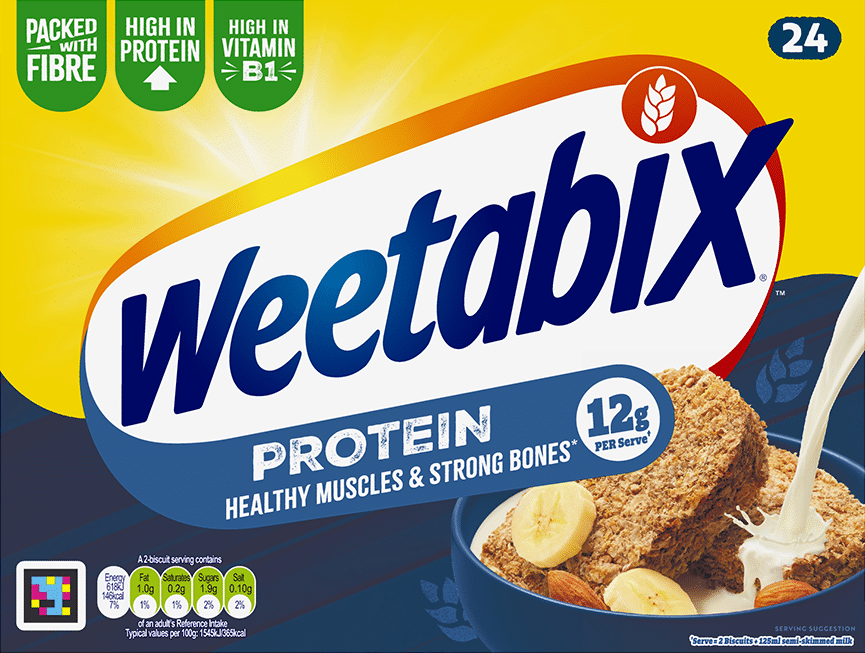
Manufacturers are now adding protein to cereals or flour. This is completely unnecessary as affordable proteins already exist. Protein-infused products also tend to be more expensive and are just a way for manufacturers to make a quick profit while protein remains popular on the internet. To increase protein in your diet, find strategic ways to add legumes to your meals. For instance, if you’re making a stew, you can add beans to your meal. You can also make a blended sauce with beans to add to a pasta dish. To remain healthy, you must ensure a balanced diet of carbs, proteins, fibre, healthy fats and minerals. A great rule of thumb to follow is to have one serving of complex carbs, two servings of proteins, two servings of vegetables and some fruit, all which have a healthy amount of fibre.
2. Ozempic
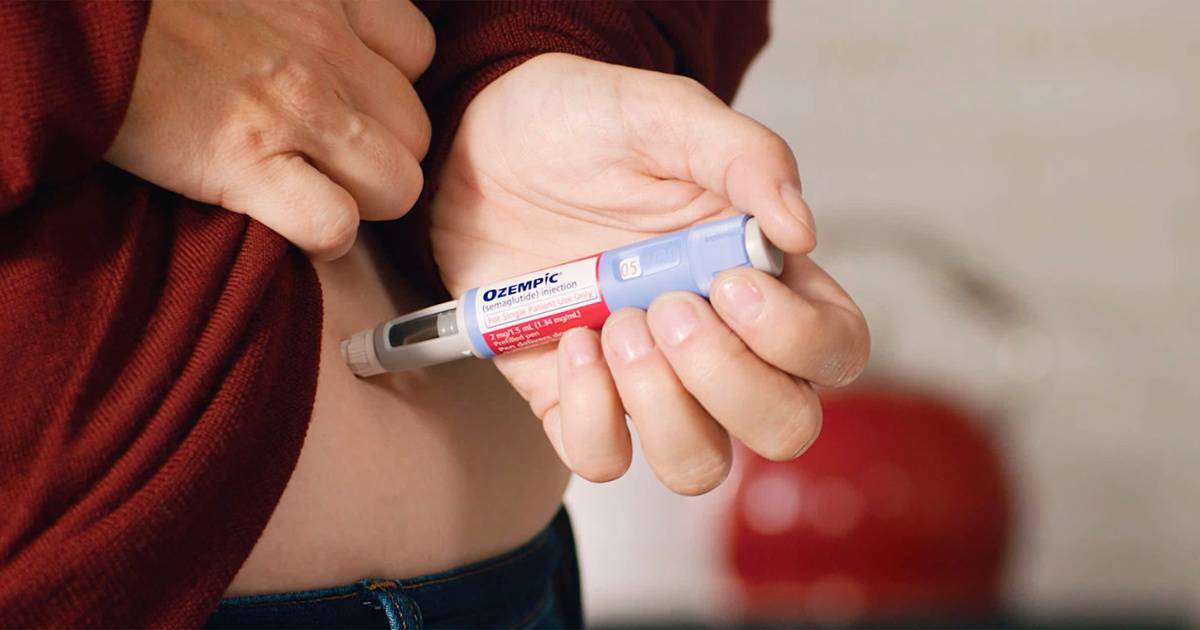
This is also known as a semaglutide. These are injectables used to manage blood sugar levels for people with Type-2 diabetes. Currently, there is no global medical governing body that has approved GLP-1s (glucagon-like peptide-1) for weight loss for non-diabetes patients.
Ozempic is meant to also reduce the risk of heart attack and stroke among Type-2 diabetes patients. With non-diabetic patients now opting for injectables to manage weight loss, you may be tempted to consider it. If you do use it, ensure you only take as recommended by doctors, 1mg once per week. Overusing it can easily lead to overdosing which has numerous side effects such as dizziness, weakness, confusion, anxiety, quickened pulse, sweating and hunger.
According to Harvard Health, Ozempic works by suppressing the appetite and signalling to the brain that you’re full. They also slow down the stomach emptying. Even using GLP-1s as recommended can lead to vomiting, diarrhoea, constipation, abdominal pains and itching. Other major risks include pancreatitis, gallbladder issues, thyroid tumours, and muscle loss.
Unless your doctor has recommended GLP-1s for diabetes, you should avoid using them for weight loss. A balanced diet, regular exercise, increasing water intake can help with food-based weight loss. If you’re experiencing weight gain due to hormonal fluctuations or conditions like POMS (Polyendocrine metabolic ovarian syndrome, formerly PCOS) you'll require medical treatment. Conditions like lipoedema may require medications like amphetamines or appetite suppressants.
3. Dark showering

According to GQ Health, TikTokers have discovered the “cortisol-lowering advantages of showering in the dark”. It requires taking a shockingly cold shower while it’s completely dark. Being exposed to cold water suddenly spikes stress hormone levels but after the shower, they can lower to optimal levels. However, experts say the lowered stress effects will be felt hours after the shower. Studies show that a warm shower is more effective at managing stress. Dimming your lights can help manage stress levels because it reduces sensory overload. Using a scented candle to light your bathroom is a better way to unwind instead of shock shower.
4. “Chemicals bad”

Many wellness influencers will warn you to stay away from nutrition labels that sound difficult to pronounce. This is a scare tactic meant to drive engagement. For those who are ignorant, it’s a time to indulge in paranoia. For those who are aware that cyanocobalamin is vitamin B12, it’s a way to ragebait them. The best thing to do is ignore such creators and learn to look nutritional definitions for yourself. Remember methylxanthine alkaloid 1,3,7-trimethylpurine-2,6-dione can’t hurt you, it’s just the chemical label of caffeine.
5. GMOs cause cancer
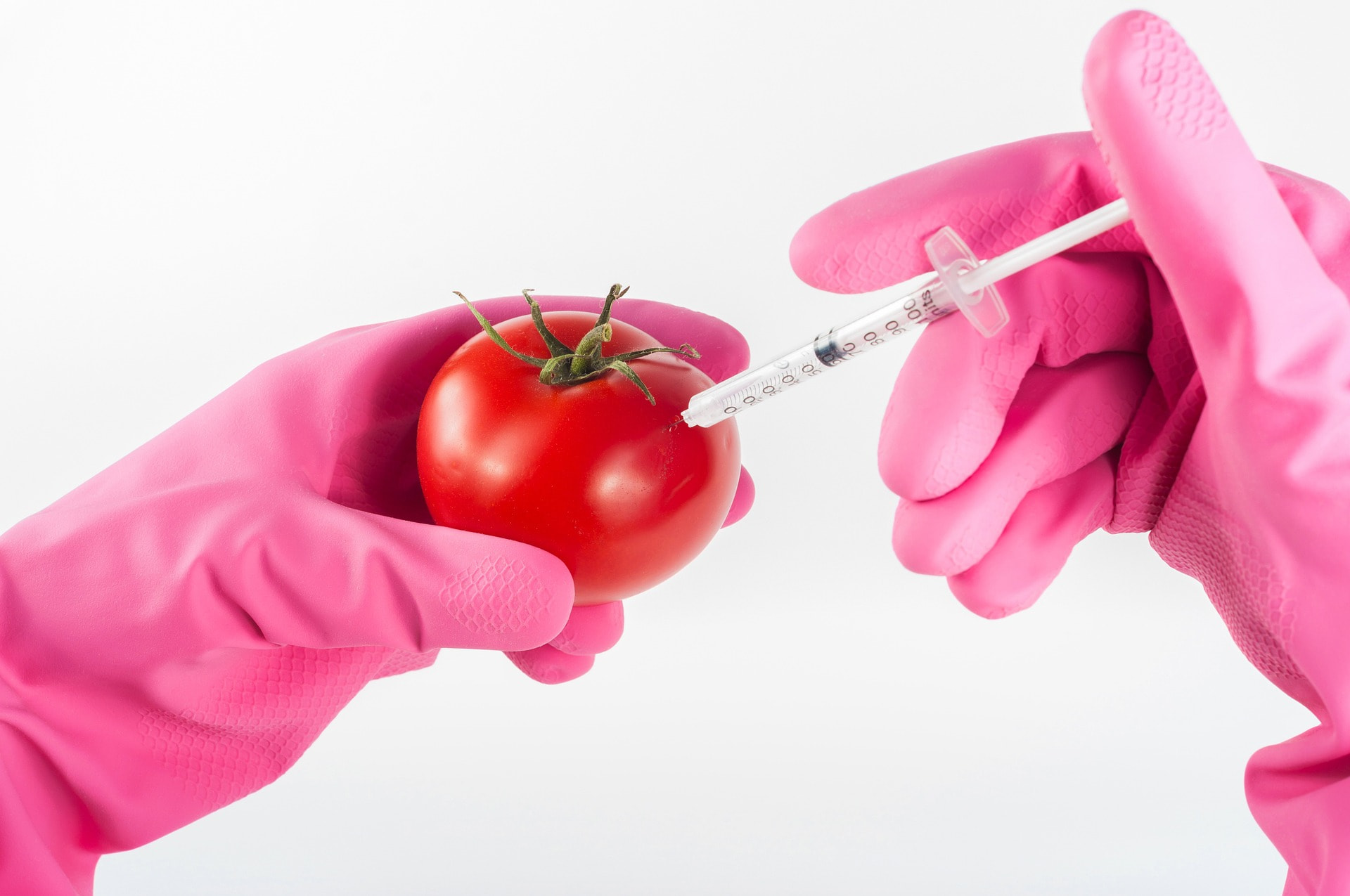
These are genetically modified organisms. Their DNA is scientifically altered for different purposes such as pest or drought-resistance, increasing nutrition or increasing yield. GMO has become such a scare word that some manufacturers advertise their products as “GMO-free”. The thing about GMOs is that most modern foods are GMOs. For example, the currently most eaten banana globally is the Cavendish banana. It is a genetically modified banana from the Gros Michel banana that was made extinct by the Panama disease, a fungus that devastated banana farms worldwide. Currently, Cavendish bananas are propagated through cloning. This makes them vulnerable to a Panama disease strain known as Tropical Race. Scientists are currently genetically modifying wild bananas to find an alternative in the event of extinction.
GMO crops are safe to eat and are not carcinogenic. Many GMOs are also just as healthy as non-GMO variants. Some are even healthier as they have been modified to contain more nutrients such as golden rice. In addition, some apples have been modified to reduce browning, in turn reducing food waste.
Takeaway
Many wellness influencers don’t double check any information. They’re also often trying to sell you something like overpriced supplements or a useless diet tracking AI app. Some even add nutritional courses with high prices that offer information available online for free. Whenever you hear something that’s too easy to be true or too difficult to be reasonable, find an expert debunking it or look it up yourself using reliable sources (websites that end in .edu, .gov, .org etc). Wellness shouldn’t feel like a chore you need to pay for.
Recent Post
-
-
Personal Finance: Everything you need to Start and Manage an Emergency Fund
Oct 1 2026 3:07 PM -
How and Why Nutrition Affects Hair Health
Oct 1 2026 2:34 PM