


How and Why Nutrition Affects Hair Health
Sometimes your hair fails to grow no matter what you try to do to it. Whether it’s relaxing it, trying protective styles like box braids or even hair products like treatment of pomades, if your hair fails to grow past a certain point, it may be a bigger issue than your hair routine. A healthy daily routine is important to ensure your hair remains moisturised, healthy, bouncy and lively. Hair that is brittle, dry, crackly and prone to breaking is not healthy. A significant cause of unhealthy hair is lack of nutrition. What you eat, or drink, affects your health. But first, is your hair actually healthy?
Signs of healthy hair
a. Natural hair
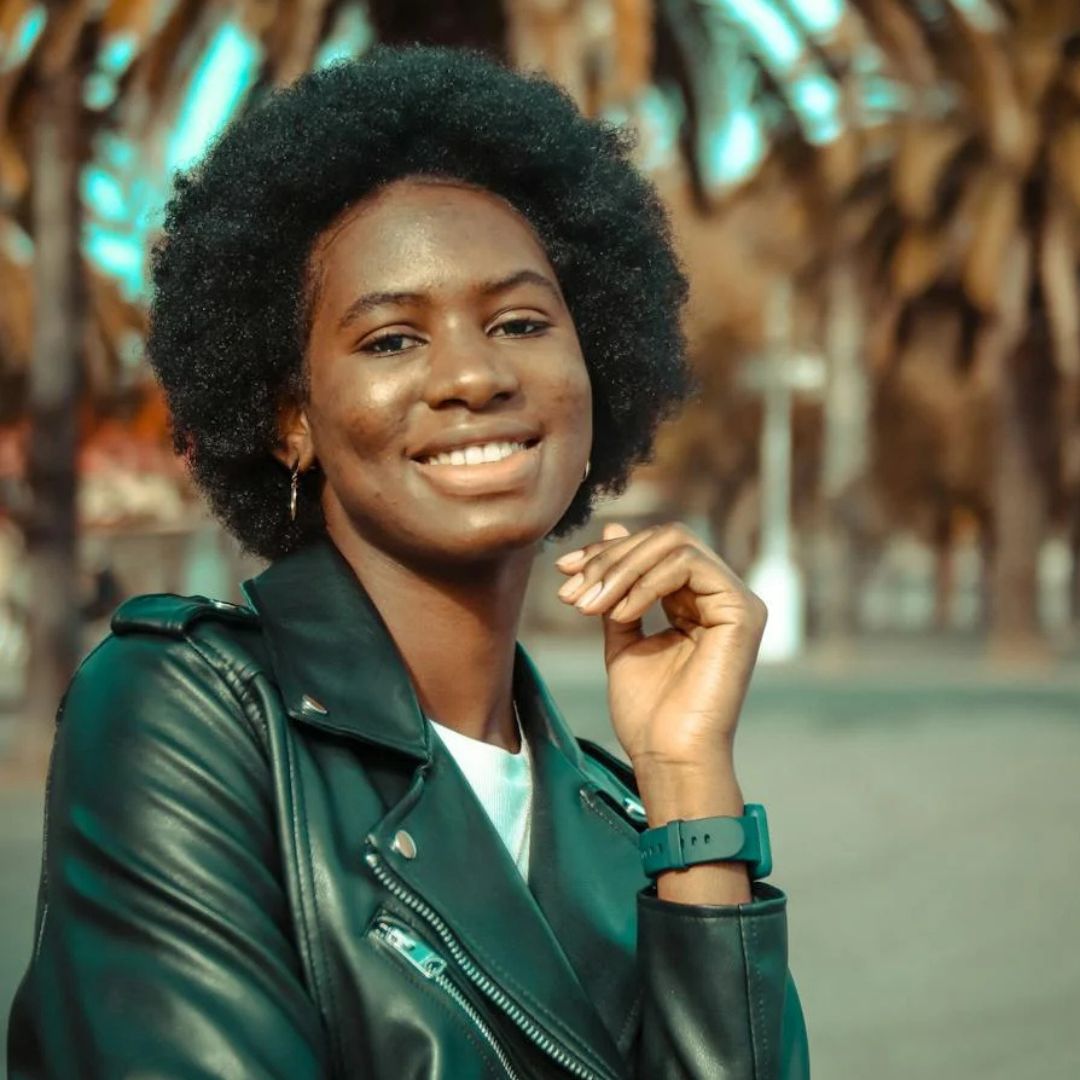
Natural hair should shrink, especially after being hydrated. This is a sign of healthy natural hair. After a wash, your hair shrinking means it still retains elasticity and the curls are intact. If your hair dries out immediately after a wash it and appears brittle, it may be the wrong products being used. Your hair, at its core, is healthy and just requires a different approach. Depending on the condition of your hair, you may need to stop using oil-based products, switch to a clarifying shampoo or filter the water you’re using. If you have healthy hair that turns dry the next day, consult with your stylist to determine the best option.
Natural hair should also have a sheen to it because your scalp is producing oils. When hair is dry and dull-looking, it could be because of dry scalp, heat damage or diet.
One of the best ways to confirm if your hair is healthy is to grab a strand. Hold each end with the tips of your fingers and pull with force. If the hair breaks, it’s unhealthy. Natural hair with enough keratin should bounce back into its curls. If it remains lifeless, it means it doesn’t have enough protein.
4C hair should feel soft to the touch. If it’s coarse, it could be a sign of dehydration, hair damage, wrong product use, stress, or poor diet. Your natural hair should also be voluminous if its healthy. Thinning hair can be a sign of excessive breakage, underlying health issues, using harsh products, wrong protective styles, poor diet or genetics.
b. Relaxed hair
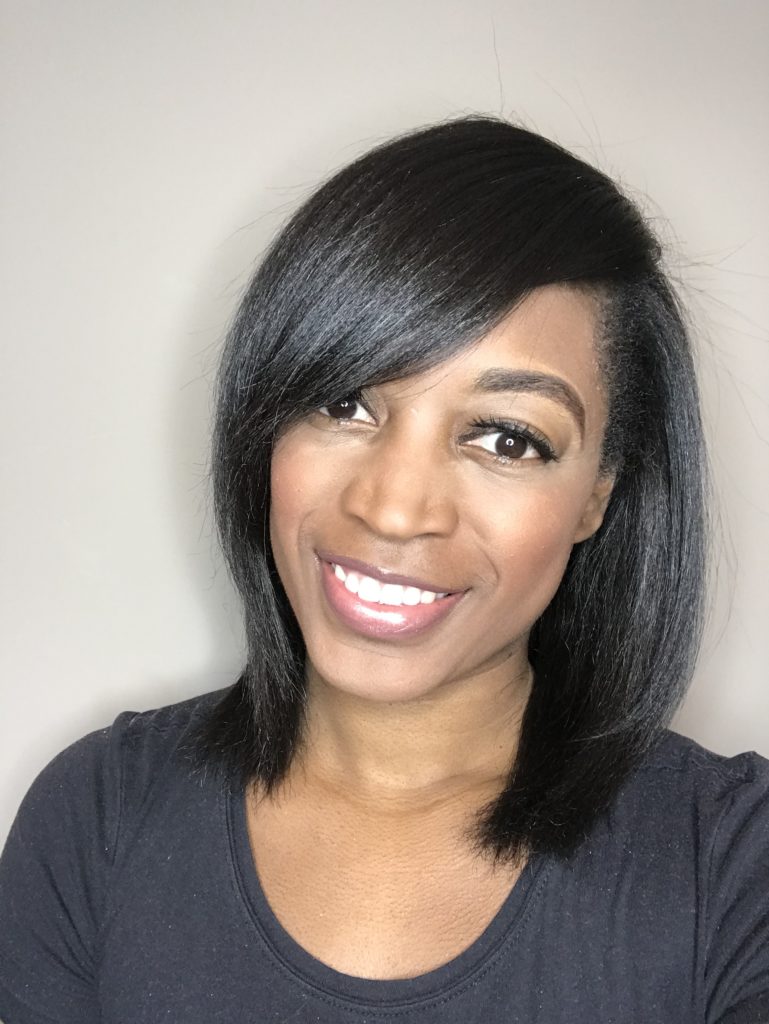
Just because your hair is chemically straightened doesn’t mean it won’t be prone to damage. While it may be less susceptible to natural stressors like rain, there are still signs of healthy relaxed hair to look out for.
Healthy relaxed hair shouldn’t be frizzy. This is when it looks like the strands are fried. It happens when hair is exposed to wet weather, is overprocessed, tied too tightly, or heat damage. Simple solutions to frizz include serums, deep conditioning, avoiding too many retouches, and protecting the hair better during sleep or exercise.
Split ends are another sign that your hair isn’t healthy. They occur when the cuticle experiences wear and tear and exposes the core. Leaving split ends unattended leads to breakage and damage. It happens from heat damage, weather excesses, too many retouches, protein overload. When you have split ends, try to trim them at your next styling session. Make sure your hair is regularly moisturised. Treat and deep condition your hair every two weeks when you’re not wearing a protective style.
Healthy relaxed hair has a beautiful, glossy sheen. When it has a dry, rough look, it means your hair isn’t getting the proper care it needs. If the roots aren’t thick enough for a retouch, get a treatment. Start with a repair shampoo, use a protein-based treatment and deep condition with repair focused products. Use lukewarm water and avoid styling with high heat. Consider using a dryer on low heat. Stay away from flat irons and blow-dryers.
The hair should have a bounce to it when combed out. It should also not be coming out in knots when combed or brushed. When you have such episodes, it’s time to get a treatment or get a protective style. The most frequent problems for relaxed hair are poor management, harsh weather and poor habits.
How food affects hair
Hair is made of protein and requires optimal blood flow and various nutrients to remain healthy and grow consistently. Studies show that a diet rich in omega-3 fatty acids, iron and protein are best for healthy hair. These are the best foods to include in your diet to boost hair health.
1. Protein
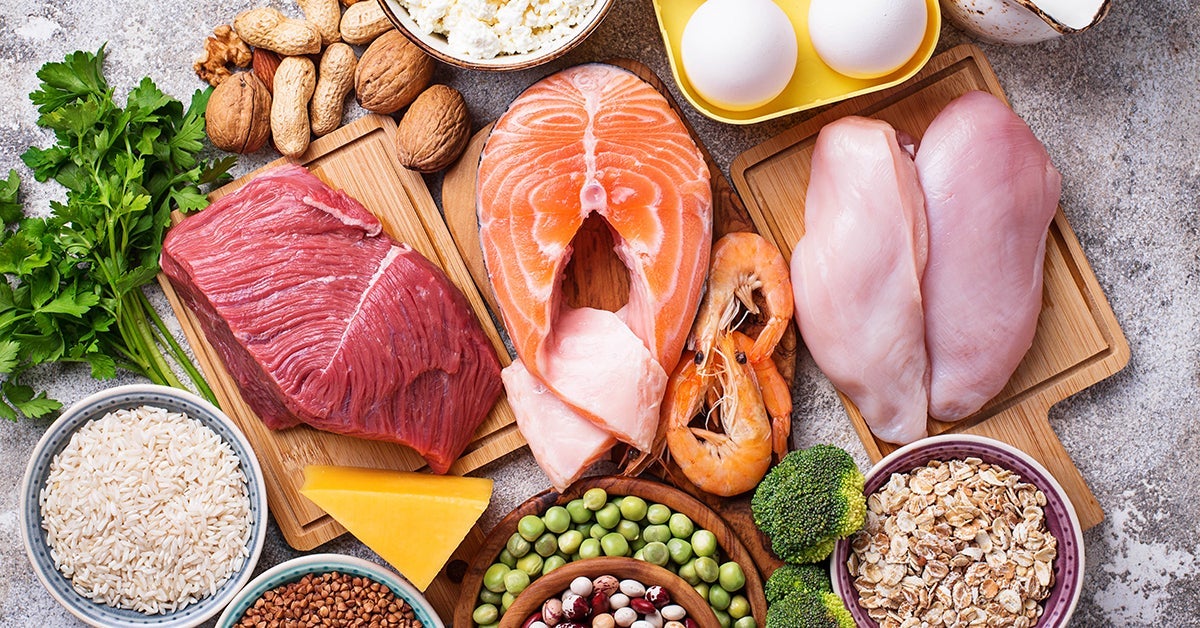
As hair is made of keratin, it’s important to have a diet with a healthy number of proteins. Some of the easiest proteins to add to your meals are beans, eggs and lean meat. Eggs are a particularly brilliant multi-nutrient because they also contain biotin, choline, iron, Vitamins A, D and B12, and antioxidants that help reduce damage to hair cuticles.
2. Vitamins
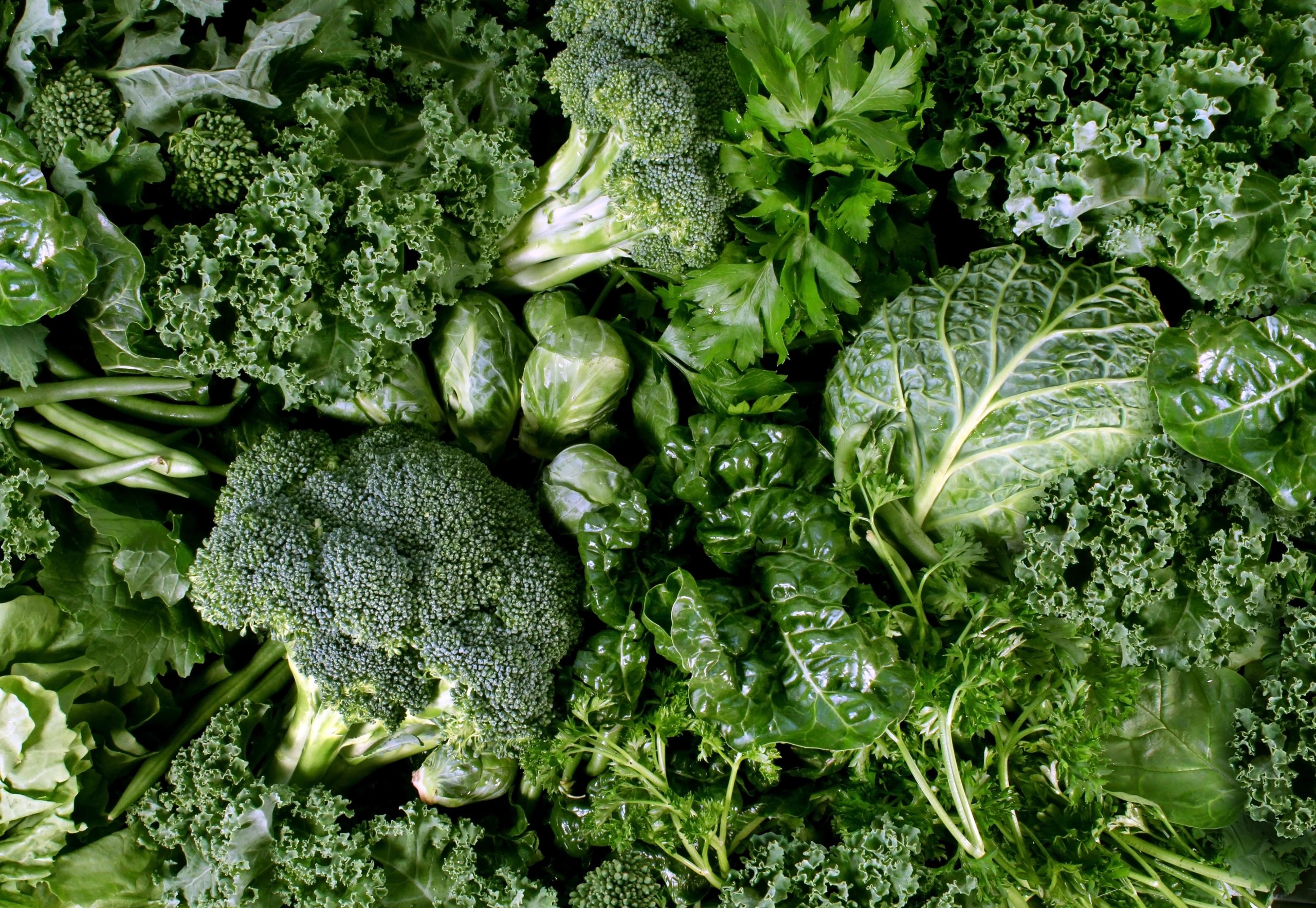
Leafy green vegetables like Sukuma wiki, Sukuma matumbo (kale), spinach are rich in iron, antioxidants, B-vitamins and vitamin C. These kinds of vegetables are also highly recommended for people experience hair loss.
Nuts and seeds are rich in vitamin E, B-vitamins. Eating one packet of peanuts can provide up to 8mg of vitamin E, which nourishes the scalp and hair. Vitamin E also increases blood circulation in the scalp. B-vitamins include thiamine (B1), riboflavin (B2), niacin (B3), pantothenic acid (B5), biotin (b8), folic (B9), cobalamin (B12), among others. B-vitamins are essential for hair health. For instance, B3 promotes renewal of hair follicles, B5 increases hair density, B8 promotes hair growth and blood flow in the scalp, B12 contains antioxidants that reduce hair cell ageing and improves melanin production. Other foods rich in B-vitamins are eggs, milk, mushrooms, chicken, milk and milk products, and organ meats like liver.
Vitamin C balances the scalp ecosystem which helps reduce dandruff and itchiness. It inhibits hormones linked to hair loss. It promotes hair growth by supporting follicle renewal. It boosts collagen production which strengthens hair strands. Sweet potatoes, carrots, berries, avocadoes are rich in Vitamin C.
3. Minerals
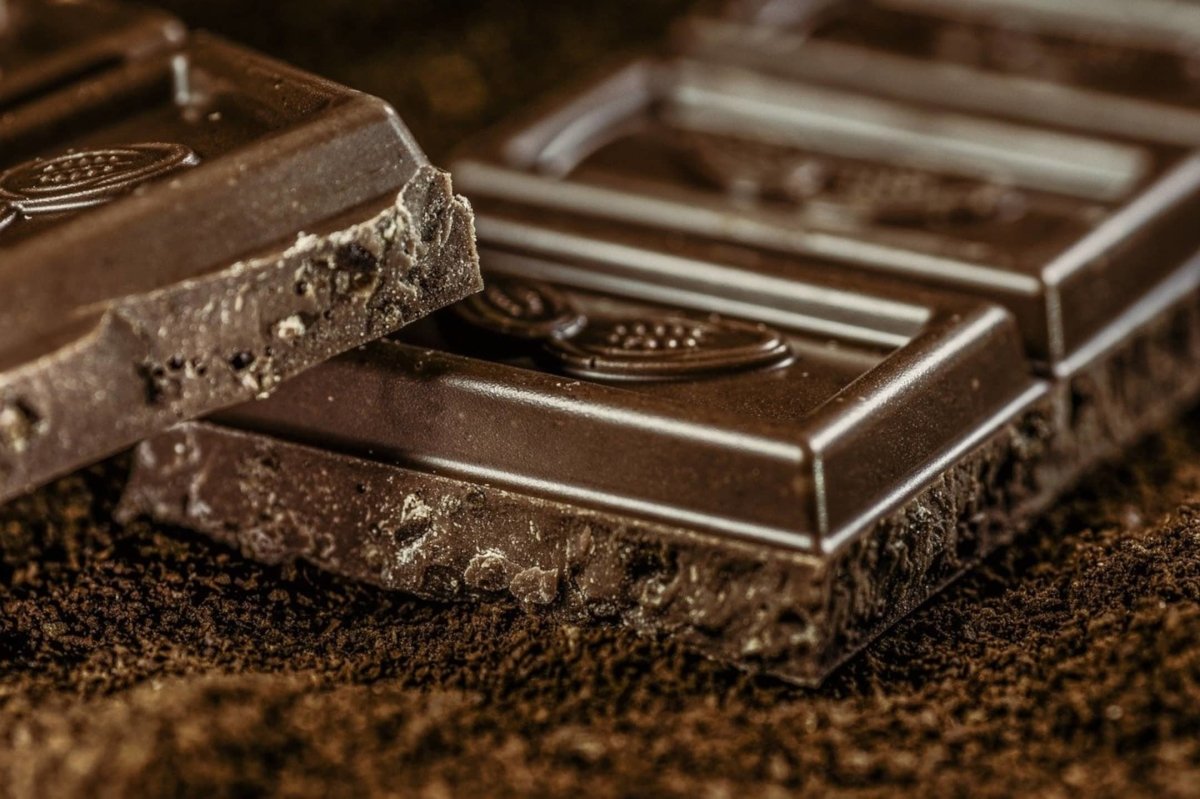
A zinc deficiency can lead to hair loss. This is because zinc helps with keratin production. It’s also anti-inflammatory which helps with maintaining healthy hair follicles. It also keeps the scalp oil activity balanced. Great sources of zinc include meat, legumes, nuts, milk and dark chocolate.
Low iron can also lead to hair loss. This is because being anaemic reduces blood flow to the scalp as well which can lead to reduced hair growth. Meat is rich in iron. You can also buy food items that are fortified in iron.
Takeaway
A nutritious balanced diet directly affects hair growth. However, if you’re still experiencing stagnant hair, breakage or loss even with a healthy diet, you may need to consult with a doctor to find out if there’s an underlying issue.
Avoid taking supplements to help with hair growth. You may exceed the recommended daily allowance, affecting your overall health. In addition, excess nutrients like zinc can also lead to hair loss.
Recent Post
-
-
Personal Finance: Everything you need to Start and Manage an Emergency Fund
Oct 1 2026 3:07 PM -
How and Why Nutrition Affects Hair Health
Oct 1 2026 2:34 PM