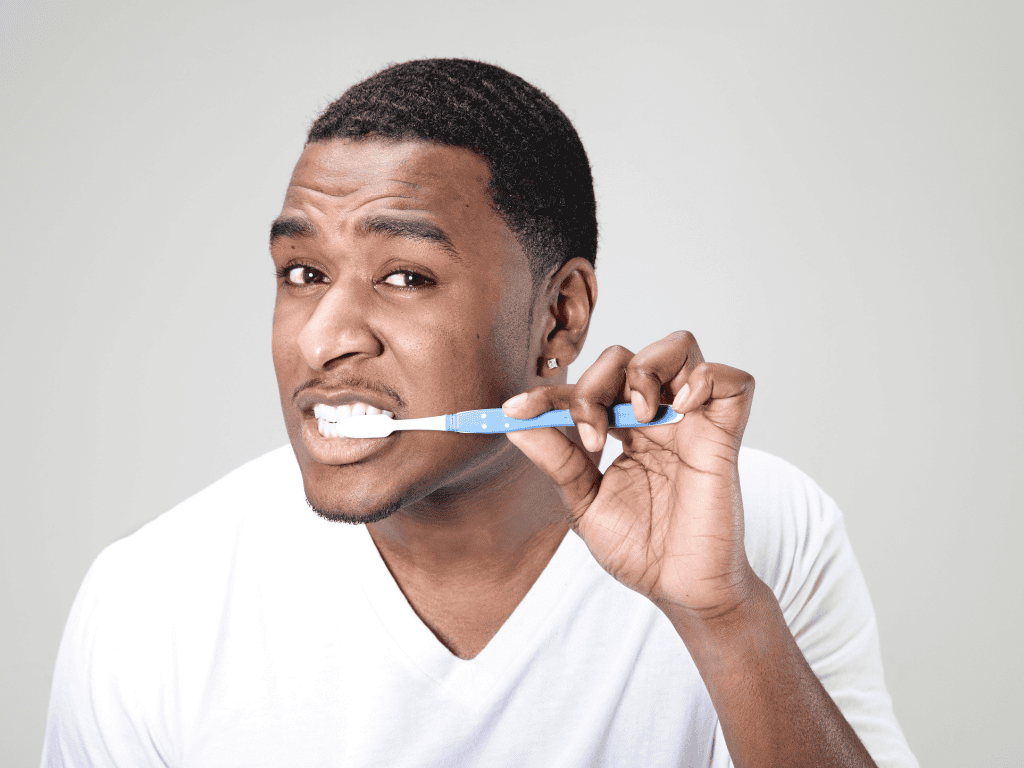
Experts say that you should brush your teeth at least twice a day. This helps remove plaque build-up from your teeth, which can lead to overgrowth of bacteria and reduce the risk of bad breath. Most people brush every morning and night, but there is disagreement on when you should actually brush. Some brush their teeth before breakfast, while others do it after meals. While it’s certain that you should brush your teeth often, there are times you shouldn’t reach for your toothbrush.
When, how, and why should you brush your teeth?
According to MayoClinic, you should brush your teeth twice a day after meals. This is because brushing with fluoride-based toothpaste removes build-up from food, plaque, and sugars. When left in the teeth for too long, they can damage the enamel and which can lead to cavities. In addition, if plaque is left on the teeth for too long, it leads to tartar, which hardens the teeth and gums.
If you’re a smoker, you should also brush your teeth immediately after smoking to remove tar and other chemicals left on the teeth. This reduces the risk of staining the teeth permanently. It’s also important to brush your tongue thoroughly because it can lead to a loss of taste.
To take care of your teeth, ensure that you floss your teeth at least once a day. You can choose to do this after brushing at night to ensure the removal of any buildup from the day. But it’s also fine to do it in the morning, after breakfast. Make sure to drink water each day. If you have water treated with fluoride, this is also healthy for your teeth because it reduces the risk of cavities. Use mouthwash after brushing your teeth and let it settle on your teeth for a while before spitting it out.
Try to reduce the number of sugary foods and drinks you have each day. If you’re a smoker, try to quit smoking and only use filtered cigarettes if you do. Change your toothbrush after every 3-4 months. Replace it immediately if the bristles fray, break, or bend. Ensure you wash your toothbrush with soap and hot water periodically to disinfect it. See a dentist every three months to ensure your teeth remain healthy.
When shouldn’t you brush your teeth?
This doesn’t mean that you should go days without brushing your teeth. Plaque feels like fur on the teeth and makes eating feel uncomfortable. It can feel better to brush your teeth first before eating, but it’s better to have breakfast before brushing your teeth to remove any buildup. However, you shouldn’t brush your teeth immediately.
1. Don’t brush your teeth immediately after meals
If you feel uncomfortable immediately after eating and want to brush right after, it may be better to wait first. According to Port Pediatric Dentistry, you should wait at least thirty minutes before brushing your teeth after a meal. This is especially helpful if you ate foods with acids like fruits and coffee. When you brush your teeth immediately after a meal, it spreads the acids on your teeth, which can weaken the enamel. After eating sugary snacks, coffee, and other foods that contain acids, you should also drink water to balance pH levels. Waiting half an hour after meals helps your mouth restore saliva to neutralise the mouth.
2. Don’t brush your teeth immediately after vomiting
When you throw up, you end up expelling food items and stomach acids, including bile. It can feel comforting to want to brush your teeth immediately, but you shouldn’t. As mentioned earlier, brushing your teeth when they may still have acid deposits can damage the enamel. Stomach acids, like bile, are also a lot stronger than the acids from coffee or fruits.
Instead, you should rinse your mouth with cold water and wait for over thirty minutes before brushing your teeth. If you have a condition that is causing a lot of vomiting, like morning sickness or a stomach flu, you should buy non-acidic and non-alcoholic mouthwash, unsweetened mints, and baking soda. You can also use a sugar-free breath mint or bland food to remove the aftertaste of vomit from your mouth. You can also rinse your mouth with a non-alcoholic, non-acidic mouthwash. Another safe rinse is water with baking soda.
Conclusion
It’s important to protect enamel because it protects the rest of the teeth. A tooth is made of multiple layers with enamel at the very top, dentin in the second layer, and the core of the tooth is the pulp, which contains nerve endings and blood vessels. When you let the enamel erode, it can lead to more damage to the dentin. This makes your teeth more susceptible to cavities and sensitivity.